
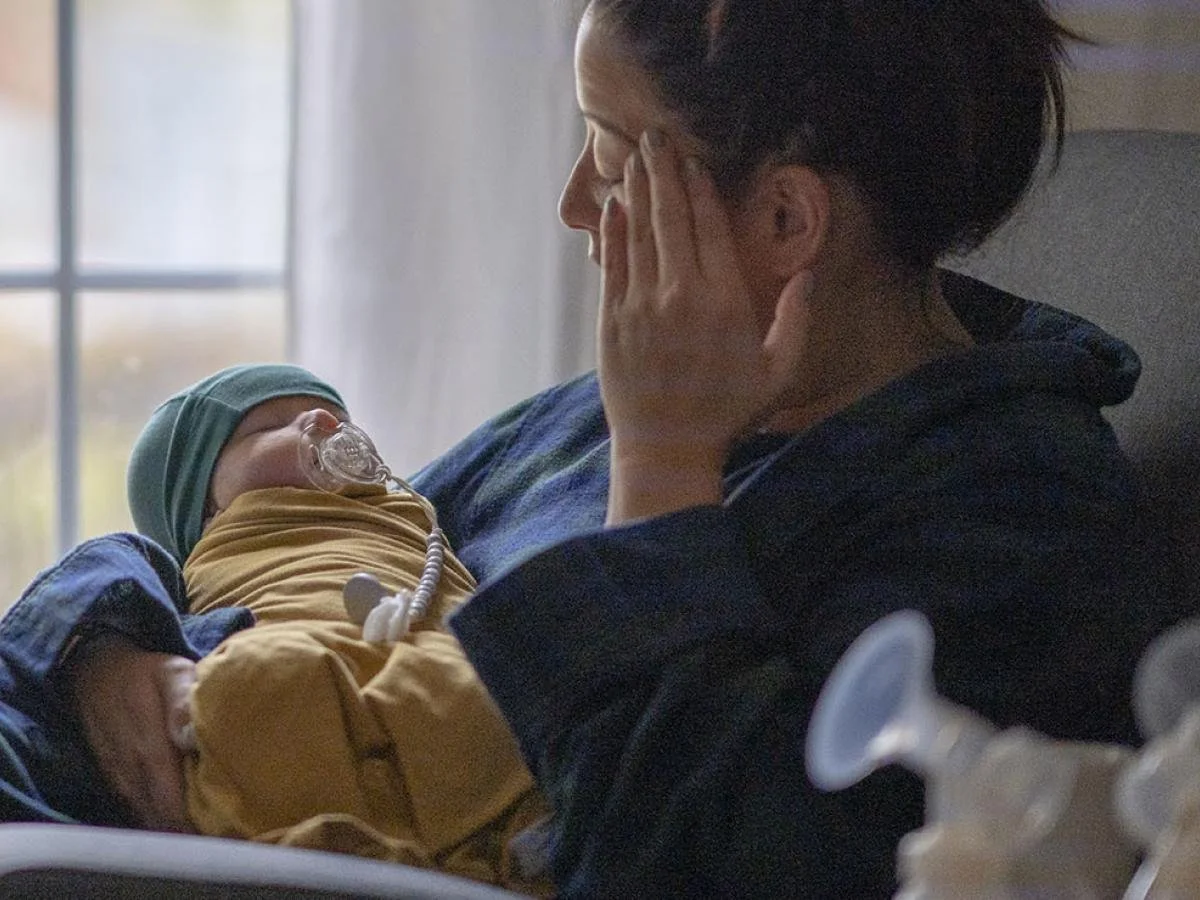
Becoming a mom is one of the biggest changes a person can experience. There is excitement, anticipation, love, and sometimes a whole lot of questions.
What do I actually need for the baby? How am I going to afford everything? Where can I get diapers? What if breastfeeding doesn't go as planned? Who can help me when I'm exhausted and don't know what I'm doing?
And sometimes, the biggest question is simply: Where do I even start?
Whether you're expecting your first baby, welcoming another little one, or adjusting to life with a newborn, we want you to know something: You do not have to figure everything out by yourself.
Michigan has programs that help with food, diapers, baby supplies, healthcare, childcare, breastfeeding, parenting education, and emotional support. Some programs are free for eligible families, and others can connect you with local organizations that may be able to help.
We've put together a guide to help Michigan moms know what is available and where to begin.
1. The New Baby Essentials: What Will You Need?
Before we get into resources, let's talk about the things most new parents need when bringing a baby home.
You don't need every expensive item on a store registry. Babies need a safe place to sleep, appropriate clothing, feeding supplies, diapers, and someone who loves and cares for them.
Baby essentials checklist:
Sleeping & Safety
Approved crib, bassinet, or portable play yard with a firm, flat sleep surface
Fitted sheets made for the sleep space
Sleep sacks or appropriate sleep clothing
Infant car seat appropriate for your baby's size
Baby monitor, if desired
Thermometer
Baby nail clippers or file
Diapering & Bathing
Newborn and size 1 diapers
Unscented baby wipes
Diaper rash cream
Changing pad or safe changing area
Baby wash and lotion
Washcloths and towels
Diaper disposal bags
Clothing
Onesies
Sleepers
Socks
Weather-appropriate outfits
Hats for outdoor use
Swaddles, if appropriate and used safely
Feeding
Bottles and nipples, if bottle-feeding
Breast pump and storage supplies, if needed
Burp cloths
Nursing bras and breast pads, if desired
Formula, if using formula
Bottle-cleaning supplies
Mom's Postpartum Essentials
Comfortable clothing
Postpartum pads and underwear
Perineal care supplies, if recommended
Nursing or feeding supplies
Easy meals and snacks
Water bottle
Personal hygiene items
A support person or someone who can give you a break
Remember, every family is different. You can build your supply of essentials over time, and there are organizations that may help with some of these items.
2. Need Help With Diapers, Formula, or Baby Supplies?
Baby supplies add up quickly. Between diapers, wipes, clothing, formula, and everyday household expenses, the cost of caring for a newborn can put a lot of pressure on a family.
If you need help, consider these starting points:
Michigan 211 – Infant Support Line
Michigan has a dedicated Infant Support Line for parents and caregivers who need guidance with newborn care and referrals for baby supplies.
Call 833-211-BABY (2229).
The service can help with:
Finding diaper assistance
Locating baby clothing
Finding formula and baby food resources
Referrals for cribs, bassinets, and portable cribs
New-parent guidance
Breastfeeding support
Safe sleep information
Visit: https://mi211.org/infantsupport
Local Community Organizations
Churches, pregnancy resource organizations, community nonprofits, and family assistance programs may offer baby clothing, diapers, wipes, cribs, and other essentials.
Availability varies by location and donations, so contact the organization before making a trip.
KindNest Project also works to connect Michigan families with resources and essential family supplies.
Visit our Request Support page to learn more.
3. WIC: Help With Food, Nutrition, and Breastfeeding
One of the most important programs for new moms to know about is WIC (Women, Infants, and Children).
Michigan WIC provides nutrition support for eligible pregnant and postpartum women, infants, and children under age five.
Depending on eligibility and individual needs, WIC may provide:
Nutritious foods and food benefits
Infant nutrition support
Breastfeeding education and assistance
Nutrition counseling
Referrals to healthcare and community resources
You do not have to wait until your baby is born to ask about WIC. Pregnant women can apply, too.
Learn more or find a clinic:
https://www.michigan.gov/mdhhs/assistance-programs/wic
4. Free Home-Visiting Programs for New Moms
Did you know Michigan has programs where trained professionals can meet with families at home?
Michigan's Home Visiting programs are free and voluntary for eligible families. Depending on the program, you may be connected with nurses, educators, social workers, and other trained professionals.
They can help with:
Newborn care questions
Feeding and diapering
Baby sleep and safety
Child development
Parenting education
Maternal and family well-being
Finding food, housing, healthcare, and other community resources
Some programs support families during pregnancy and continue after the baby arrives.
A few programs include:
Maternal Infant Health Program (MIHP): Supports eligible pregnant people and families with infants under 12 months who are enrolled in or eligible for Medicaid.
Nurse-Family Partnership: Provides nurse support for eligible first-time moms, beginning during pregnancy.
Healthy Families America: Offers family-centered support during pregnancy and early childhood.
Parents as Teachers: Helps parents build confidence and support their child's development.
Family Spirit: A culturally focused home-visiting program developed for Native American families.
You can explore Michigan's programs here:
https://www.michigan.gov/homevisiting
You can also contact MIHP at 833-644-6447.
5. Breastfeeding, Pumping, and Feeding Support
Feeding a newborn can come with a learning curve. Some moms breastfeed, some pump, some use formula, and some use a combination.
There is no reason to feel ashamed about needing help or having questions.
Resources may include:
WIC breastfeeding support
Lactation consultants
Breastfeeding education
Pumping and milk-storage guidance
Help understanding feeding options
Referrals through healthcare providers
If you are having difficulty feeding your baby, contact your pediatrician, healthcare provider, or a qualified lactation professional for support.
Michigan WIC has breastfeeding information and resources:
https://www.michigan.gov/mdhhs/assistance-programs/wic
Michigan 211 can also help you locate breastfeeding support in your community:
https://mi211.org/infantsupport
6. Healthcare for Mom and Baby
Healthcare is important during pregnancy, after delivery, and throughout your baby's first year.
If you need help paying for healthcare, Michigan Medicaid and other health coverage programs may be options depending on your circumstances.
You may want to ask about:
Prenatal appointments
Postpartum checkups
Newborn pediatric appointments
Vaccinations
Infant health screenings
Dental care
Medicaid eligibility
Children's health coverage
Michigan's MI Bridges website allows families to explore and apply for assistance programs, including Medicaid and food benefits.
https://newmibridges.michigan.gov/
For your baby's healthcare, make sure you establish a relationship with a pediatrician and ask questions whenever something doesn't seem right.
7. Postpartum Mental Health: Moms Need Care, Too
We talk a lot about making sure babies are healthy, but moms need care and attention after delivery, too.
The postpartum period can bring physical recovery, sleep deprivation, hormonal changes, emotional ups and downs, and major life adjustments.
Some moms experience postpartum depression, anxiety, or other mental health challenges. These experiences are not a personal failure, and help is available.
Consider reaching out to:
Your OB-GYN or healthcare provider
A licensed mental health professional
Your local maternal health program
A postpartum support organization
A trusted family member or friend
If you are experiencing persistent sadness, anxiety, frightening thoughts, or difficulty coping, please reach out to a healthcare professional. If you feel you may hurt yourself or someone else, seek immediate help.
National Maternal Mental Health Hotline
Call or text 1-833-TLC-MAMA (1-833-852-6262) for free, confidential support, 24 hours a day.
You deserve to be cared for just as much as your baby does.
8. Childcare, Food, Housing, and Financial Assistance
Sometimes the needs go beyond baby supplies.
Maybe you're trying to return to work, looking for affordable childcare, struggling with groceries, or trying to keep up with household bills.
There are programs that may help.
Michigan Child Care Assistance
Eligible families may receive help paying for childcare while working, attending school, or participating in qualifying activities.
https://www.michigan.gov/mdhhs/assistance-programs/child-care-assistance
Food Assistance (SNAP)
Michigan families who qualify may receive food assistance benefits.
https://www.michigan.gov/mdhhs/assistance-programs/food
MI Bridges
Explore applications for Medicaid, food assistance, childcare assistance, and other available benefits.
https://newmibridges.michigan.gov/
Michigan 211
If you aren't sure which program to contact, Michigan 211 can help connect you with local food pantries, housing resources, utility assistance, transportation, and family services.
Call 211 or visit:
9. What If Your Baby Needs Extra Developmental Support?
Every baby develops at their own pace, but sometimes parents notice concerns about communication, movement, hearing, or other developmental milestones.
Michigan's Early On program provides early intervention services for eligible infants and toddlers from birth through age two who have developmental delays or qualifying conditions.
You don't have to wait until your child is older to ask questions or seek an evaluation.
Learn more:
You can also ask your pediatrician about developmental screenings and referrals.
10. A Little Help With Safe Sleep and Baby Safety
A safe sleep space is one of the most important things to prepare before bringing baby home.
The American Academy of Pediatrics recommends placing babies on their backs for every sleep, on a firm, flat, non-inclined sleep surface, without loose blankets, pillows, bumpers, or stuffed toys.
If you do not have a safe crib, bassinet, or portable play yard, don't be afraid to ask for help.
Michigan 211's Infant Support Line can help connect families with referrals for safe sleep equipment:
833-211-BABY (2229)
You can also ask your healthcare provider or local health department about safe sleep education.
11. A Reminder for Moms Who Feel Like They Should Have It All Together
There is a lot of pressure on new moms.
You may see pictures of perfectly decorated nurseries, expensive strollers, beautiful baby showers, and families who seem to have everything figured out.
But real life doesn't always look like that.
Some moms are preparing for a baby while working full-time. Some are raising other children. Some are doing it without much family support. Some are trying to figure out how to afford diapers, rent, groceries, and childcare all at once.
Some moms simply need someone to sit down with them and explain where to start.
You do not have to have a perfect nursery. You do not need every item on a registry. You do not have to know every answer before your baby arrives.
You deserve support, and asking for it is okay.
How KindNest Project Can Help
At KindNest Project, we believe families deserve access to resources, practical support, and a community that cares.
We work to connect families with essential supplies and helpful resources so parents have a little more breathing room when life gets overwhelming.
If you're expecting, have a newborn, or are caring for young children, we encourage you to explore our resources and reach out if you need assistance.
Start here:
Our services and supplies depend on available resources, eligibility, and current demand. If we cannot provide something directly, we encourage families to contact 211 and explore the other programs listed in this guide.
A Question for Our Moms
If you could give one piece of advice to a first-time mom, what would it be?
What is one baby item you couldn't live without? What resource do you wish you had known about sooner? What do you wish someone had told you during those first few weeks?
Share your advice in the comments. Your experience might be exactly what another mom needs to hear.
Because raising a family takes a village, and sometimes the first step is simply knowing where to find one.
— KindNest Project