POV: You Just Had a Baby and Nobody Told You These Michigan Programs Existed
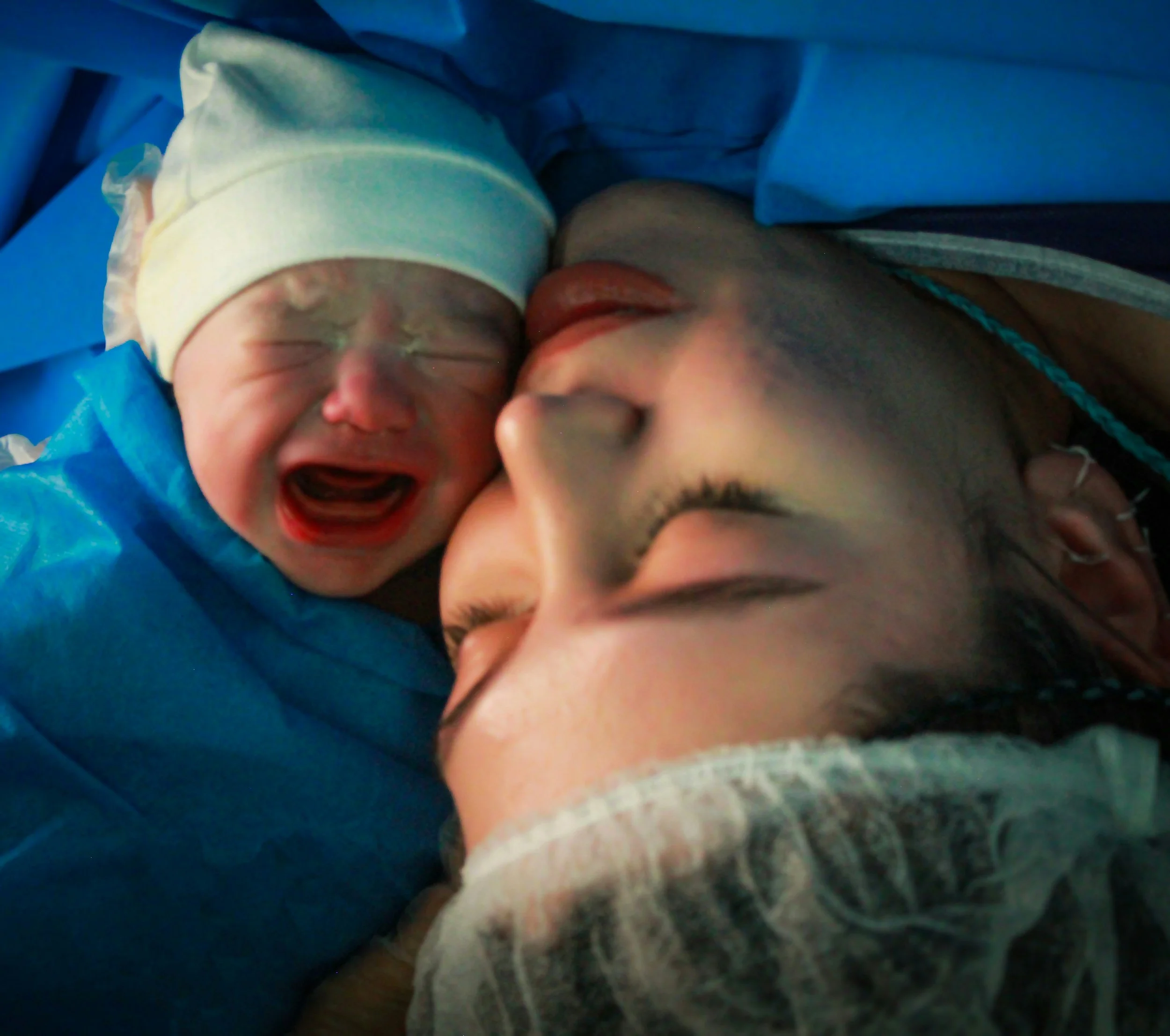
You bring your baby home and suddenly realize just how fast diapers disappear.
Formula costs more than you expected. Your grocery bill changed overnight. You are trying to remember feeding schedules, doctor's appointments, insurance paperwork, child care plans—and somehow function on very little sleep.
Then, weeks or months later, you find out Michigan has programs that may help with formula, diapers, groceries, health insurance, child care, home visits, infant development and even direct cash payments.
And nobody told you.
If you are pregnant, recently had a baby, or know a Michigan parent who could use some extra support, save this list and send it to another parent.
You may be surprised by what's available.
Please note: Eligibility and availability vary by program, household circumstances and location. Program rules can change. Always verify current requirements directly with the organization before applying.
1. Michigan WIC — Yes, It Can Help With Formula
Most parents have heard of WIC, but many don't realize everything the program can provide.
Michigan's Women, Infants & Children program supports eligible pregnant people, postpartum parents, infants and children up to age five with nutrition and other resources.
Support may include:
Healthy foods
Infant foods
Nutrition education
Breastfeeding support
Breast pumps and breastfeeding equipment for some participants
Referrals to other health and community services
Infant formula for babies who are not fully breastfed
Michigan specifically states that iron-fortified infant formula is available through WIC during the first year for babies who are not fully breastfed.
So if you have been standing in the formula aisle wondering how your baby can possibly go through another can this quickly, check WIC eligibility before assuming you won't qualify.
Learn more or start an application: Michigan WIC
Source: Michigan Department of Health and Human Services, What Does WIC Provide?
2. KindNest — Free Baby Essentials and Care Packages for Families
This is exactly why KindNest exists.
KindNest is a Michigan nonprofit supporting mothers, caregivers, babies and young children with practical essentials and connections to helpful community resources.
Families experiencing a difficult season can request a free KindNest care package.
Depending on current donations and inventory, support may include:
Diapers
Wipes
Baby and toddler clothing
Onesies, sleepers and socks
Hygiene essentials for mom and baby
Baby-care items
Other requested family necessities when available
The process is intentionally simple.
Families complete an assistance application, KindNest reviews the request and follows up by text or email, and approved care packages are prepared based on the family's needs and available inventory.
KindNest's local work is centered in Flint and Genesee County, while its assistance program serves Michigan families. Local pickup is coordinated through its community support network, including Faith Lutheran Church in Grand Blanc. Families should check the current assistance page for the latest pickup and availability information.
And KindNest isn't only about handing someone a pack of diapers.
The larger goal is helping families find the next helpful step—whether that means another local program, food assistance, child care resources, health services or longer-term support.
Need help with baby essentials?
Request support: KindNest — Receive Assistance
Want to help another Michigan family?
Donations help KindNest continue providing diapers, wipes, clothing and other necessities to families experiencing difficult seasons.
Learn more: The KindNest Project
Sometimes a care package isn't just a box of supplies.
Sometimes it's enough breathing room to get a family through the week.
3. Rx Kids — Actual Cash for Pregnant and New Michigan Families
This is one Genesee County parents especially need to know about.
Rx Kids provides direct cash support during pregnancy and infancy in participating Michigan communities.
Depending on the participating community, eligible families may receive:
$1,500 during pregnancy
$500 per month after birth
Monthly payments for either six or twelve months, depending on location
And unlike many traditional assistance programs, Rx Kids is universal and unconditional within participating communities rather than being based on household income.
If you live in Genesee County, pay attention to this part.
Rx Kids originally launched in the City of Flint.
It has now expanded to eight additional Genesee County communities:
Burton
Clio
Montrose
Mount Morris
Flint Township
Genesee Township
Montrose Township
Mount Morris Township
For these newly participating communities, eligible expectant mothers can receive $1,500 during pregnancy, followed by $500 per month for six months after birth.
For infant enrollment in these newly added communities, babies must have been born on or after August 1, 2026. Families can enroll beginning at 16 or more weeks of pregnancy through the baby's first six months, subject to the program's residency and eligibility verification.
So yes:
Burton families, this now includes you.
The City of Flint has its own Rx Kids benefit structure, including up to twelve months of infant payments, so families should check their specific address when applying.
Check your eligibility: Rx Kids Michigan
Genesee County information: Rx Kids Genesee County
4. Maternal Infant Health Program — Free Support During Pregnancy and Baby's First Year
Having a baby can feel strangely isolating.
Everyone sends you home with a tiny human and somehow expects you to know what you're doing.
Meanwhile, Google has approximately seventeen million different opinions about every question you ask.
Michigan's Maternal Infant Health Program, or MIHP, gives eligible families access to actual support.
MIHP is a statewide home-visiting program serving Medicaid-eligible pregnant people, infants and their families.
Families may work with professionals such as nurses and social workers who can help with:
Pregnancy health
Postpartum support
Infant health
Infant development
Connecting with doctors
Health-plan questions
Community resources
Family needs
Individualized care planning
Michigan states that MIHP is free for eligible families and can serve infants through their first year.
You don't have to know every answer just because you became someone's mom.
Learn more: Michigan Maternal Infant Health Program
5. MI Bridges & SNAP — Don't Check Just One Benefit
If your finances changed after having a baby, MI Bridges should probably be one of your first stops.
MI Bridges is Michigan's online portal for applying for and managing multiple assistance programs.
That includes Michigan's Food Assistance Program, also known as SNAP.
SNAP provides eligible households with benefits to help supplement their grocery budget.
But here's the important part:
Don't assume you don't qualify because you didn't qualify before your baby was born.
Your household changed.
Maybe your income changed during maternity leave.
Maybe someone's working fewer hours.
Maybe you are returning to school.
Maybe child care entered your budget.
Maybe your family simply isn't in the same financial position it was six months ago.
Michigan specifically directs residents to MI Bridges to apply for food assistance, check eligibility and manage benefits.
You can also apply for more than one assistance program through MI Bridges.
Start here: MI Bridges
Food assistance information: Michigan Food Assistance Program
6. Michigan Medicaid — Postpartum Coverage Lasts Longer Than Many Moms Realize
Your postpartum health matters for much longer than the six-week appointment.
Michigan provides eligible Medicaid enrollees with 12 months of continuous postpartum Medicaid coverage.
According to the Michigan Department of Health and Human Services, the postpartum extension includes full Medicaid benefits and continues through the 12-month postpartum period.
That can include services related to:
Physical health
Behavioral health
Dental care
Substance-use treatment
Other covered health services
Michigan also states that current Medicaid enrollees do not need to take additional action specifically to receive the extended postpartum coverage.
If you're pregnant and uninsured—or your family's income or insurance situation recently changed—it's worth checking your eligibility rather than assuming you won't qualify.
Learn more: Healthy Moms, Healthy Babies
Michigan Medicaid information: Michigan Medicaid
7. Michigan Child Development and Care — Help Paying for Child Care
Eventually many parents arrive at the same frightening question:
How am I supposed to pay for child care and still afford to go to work?
Michigan's Child Development and Care program helps eligible families pay for child care.
The state says the program supports low-income working families by helping them access affordable child care and after-school programs.
Families may qualify when child care is needed while a parent is participating in certain approved activities, including situations involving work or education.
Applications can be submitted through MI Bridges.
Even if you're currently home with your newborn, this is worth researching before your planned return to work or school.
Because finding child care is stressful enough.
Finding child care and then seeing the monthly bill deserves its own support group.
Learn more: Michigan Child Care Assistance
Parent eligibility information: Child Development and Care — Parents
8. Early Head Start — Support Can Begin Before Preschool
When you hear Head Start, you may picture a four-year-old heading into preschool.
But support can begin much earlier.
Michigan's Head Start system includes Early Head Start, and the state says Head Start and Early Head Start programs provide free learning and developmental services to eligible children from birth through age five from families identified as low income.
Programs also welcome children with disabilities.
Depending on the local program, Early Head Start can help families access early childhood development opportunities and other family supports during some of the most important developmental years.
Your child doesn't have to be preparing for kindergarten before early childhood resources become relevant.
Learn more: Michigan Head Start State Collaboration Office
9. Early On Michigan — You Don't Have to “Wait and See”
Sometimes you notice something about your baby's development and hear:
"Just wait."
"Every baby develops differently."
"They'll catch up."
Children absolutely do develop differently.
But parents are also allowed to ask questions.
Early On Michigan is the state's early-intervention system for infants and toddlers from birth through age three who have developmental delays, disabilities or certain health conditions that may place them at risk for developmental delays.
The program helps connect families with social, educational and health services designed to support a child's development.
If something about your baby's development is worrying you, gathering more information isn't overreacting.
It's parenting.
Learn more: Early On Michigan
You Don't Have to Be in Crisis to Ask for Help
There is something we need to normalize:
Using a resource does not mean you failed.
You can have a job and need help.
You can be married and need help.
You can have health insurance and still struggle.
You can have planned your pregnancy and still be stunned by how expensive babies are.
You can be doing everything “right” and still find yourself standing in the formula aisle doing mental math.
Support programs exist because pregnancy, childbirth and raising young children require an enormous amount of time, money and support.
If your family qualifies for something that could make life a little easier, use it.
And if you're doing okay right now?
Save this article anyway.
Because someday another mom may text you:
"Do you know anywhere that can help me?"
And instead of saying, “I'm not sure,” you can send her this.
Still Not Sure Where to Start? Start With KindNest.
Finding help shouldn't require opening 25 browser tabs while holding a crying baby.
KindNest helps mothers, caregivers and families access essential baby supplies while also connecting families with additional community resources when their needs extend beyond a care package.
If you need diapers, wipes, children's essentials or other family support, submit a KindNest assistance request.
Request a KindNest Care Package
If you don't need assistance today, consider sharing this article.
Someone in your circle might.
And sometimes helping another family begins with something as simple as making sure they know what's available.
Sources & References
KindNest. Receive Assistance. Information about KindNest care packages, eligibility, available essentials and the assistance-request process.
KindNest Receive Assistance
Michigan Department of Health and Human Services. Women, Infants & Children (WIC). Information about Michigan WIC nutrition, breastfeeding and family services.
Michigan WIC
Michigan Department of Health and Human Services. What Does WIC Provide? Information regarding foods and infant formula available through WIC.
What Does WIC Provide?
Rx Kids. Genesee County. Current participating Genesee County communities, residency requirements, enrollment periods and benefit amounts.
Rx Kids — Genesee County
Michigan Department of Health and Human Services. Maternal Infant Health Program. Information on Michigan's statewide home-visiting program for Medicaid-eligible pregnant people, infants and families.
Maternal Infant Health Program
Michigan Department of Health and Human Services. Food Assistance. Information on Michigan SNAP benefits and applying through MI Bridges.
Michigan Food Assistance
State of Michigan. MI Bridges. Portal for applying for and managing eligible Michigan assistance programs.
MI Bridges
Michigan Department of Health and Human Services. Healthy Moms, Healthy Babies. Information about Michigan's 12-month continuous postpartum Medicaid coverage.
Healthy Moms, Healthy Babies
Michigan Department of Health and Human Services. Child Care Assistance. Information about applying for child care payment assistance.
Michigan Child Care Assistance
Michigan Department of Lifelong Education, Advancement, and Potential. Child Development and Care. Information regarding child care assistance and family eligibility.
Child Development and Care
Michigan Department of Lifelong Education, Advancement, and Potential. Head Start State Collaboration Office. Information regarding Head Start and Early Head Start programs serving children from birth to age five.
Michigan Head Start
Michigan Department of Lifelong Education, Advancement, and Potential. Early On Michigan. Information regarding Michigan's early-intervention system for infants and toddlers.
Early On Michigan
Information reviewed August 2026. Eligibility requirements, benefit amounts, service areas and program availability may change. Always confirm current information directly with the program before applying.