
Lindsay Clancy Trial: What This Tragedy Teaches Us About Postpartum Psychosis and Supporting Mothers
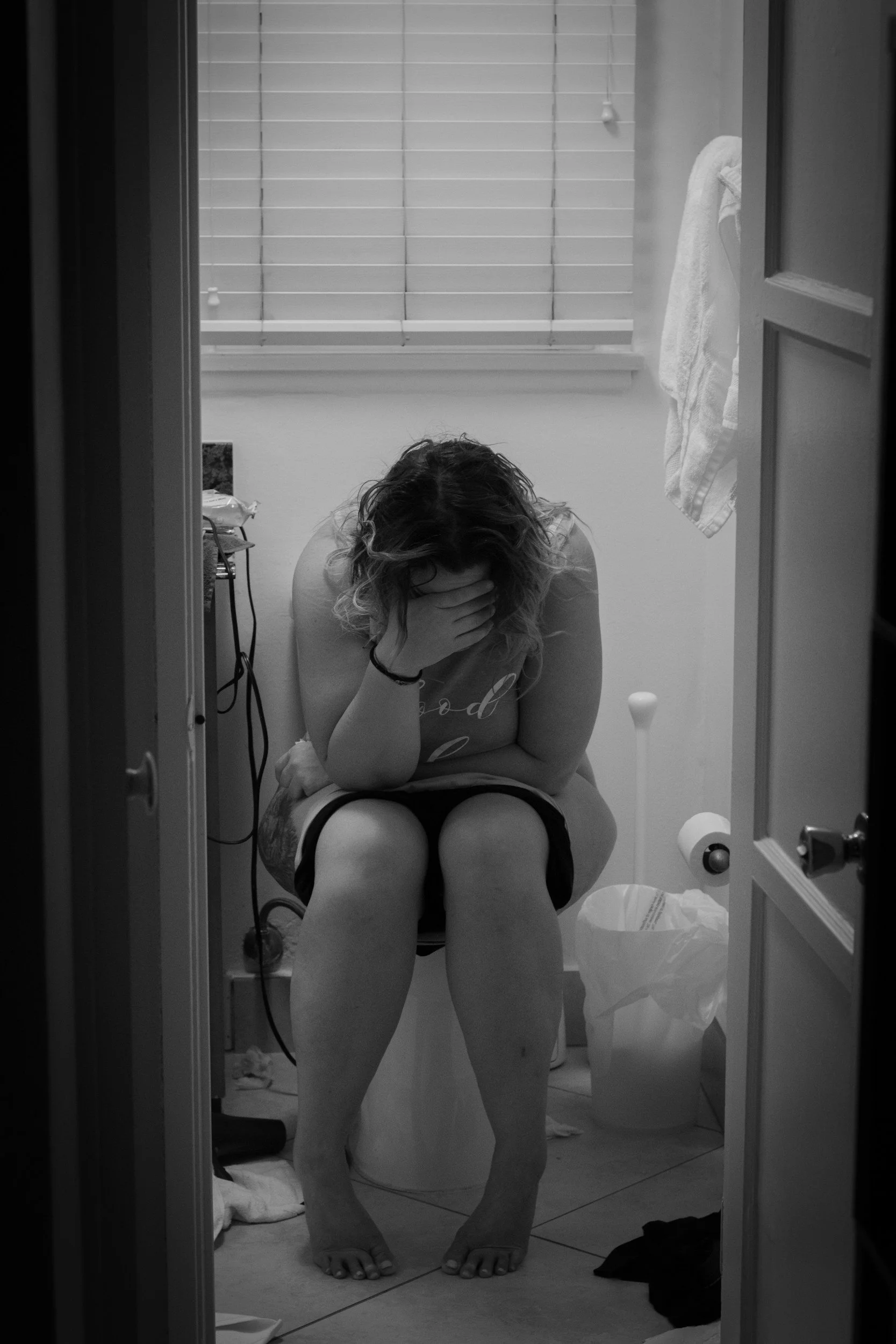
Content warning: This article discusses the deaths of children, suicide, and severe postpartum mental illness. Reader discretion is advised.
There are stories that are difficult to read, difficult to discuss, and almost impossible to comprehend.
The case of Massachusetts mother Lindsay Clancy is one of them.
More than three years after the deaths of her three young children, Clancy is now standing trial in a case attracting national attention and raising extraordinarily difficult questions about motherhood, mental illness, responsibility, medical care, and what can happen when a psychiatric crisis becomes catastrophic.
As of August 12, 2026, testimony is continuing in Clancy's Massachusetts murder trial. Her three children—Cora, 5, Dawson, 3, and Callan, 8 months—died in January 2023. Clancy's attorneys do not dispute that she caused their deaths, but argue that she should not be held criminally responsible because she was experiencing severe mental illness. Her defense has specifically pointed to postpartum psychosis and bipolar disorder. Prosecutors argue that her actions were intentional and planned (Casey, 2026; O'Laughlin et al., 2026).
A jury has not yet reached a verdict, and this article is not an attempt to determine Clancy's criminal responsibility.
That belongs to the court.
But outside the courtroom, another conversation desperately deserves our attention:
How well are we actually caring for mothers after they give birth?
What Is Postpartum Psychosis?
Most people have heard of postpartum depression.
Far fewer have heard of postpartum psychosis.
They are not the same condition.
Postpartum psychosis is a rare but extremely serious psychiatric condition that affects approximately 1 to 2 people per 1,000 births. It is considered a psychiatric emergency because it can severely alter a person's perception of reality and may create risks to the mother or others if it is not recognized and treated promptly (Raza & Raza, 2023).
Symptoms may include:
Severe confusion
Hallucinations
Delusions or beliefs disconnected from reality
Paranoia
Extreme or rapidly changing moods
Disorganized thinking or behavior
Significant agitation
Severe sleep disruption
Unusual changes in behavior
Postpartum psychosis frequently develops suddenly, often within the first days or weeks following childbirth, and generally requires immediate psychiatric evaluation (Raza & Raza, 2023).
Postpartum depression is different. It is a serious mood disorder that can begin anytime during the first year following childbirth and may include persistent sadness, anxiety, withdrawal, changes in sleep or appetite, difficulty bonding with a baby, or thoughts of harming oneself or the baby (MedlinePlus, 2025).
There is also an important distinction that should not be lost in conversations surrounding cases like Clancy's:
Experiencing postpartum depression, anxiety, intrusive thoughts, or another maternal mental-health condition does not mean that a mother will hurt her children.
Mental illness should not become something mothers are afraid to disclose because they fear being judged.
Asking for help should be encouraged.
Why the Lindsay Clancy Trial Is Sparking Such a Large Conversation
The central dispute in the Clancy trial concerns her mental state at the time of her children's deaths.
Her attorneys argue that she was experiencing severe mental illness, including postpartum psychosis and bipolar disorder, and therefore was not criminally responsible for her actions. Prosecutors contend that the killings were intentional and planned (Casey, 2026).
Testimony has examined Clancy's mental-health treatment during the months before the deaths, including depression, insomnia, intrusive thoughts, suicidal thoughts, medication changes, psychiatric appointments and hospital treatment. Providers who treated Clancy have also testified that during their interactions with her, she did not report plans to harm her children or demonstrate signs they identified as psychosis or mania (Casey, 2026).
The defense has questioned whether communication among Clancy's different mental-health providers was adequate. Testimony has shown that some providers did not have access to—or had not reviewed—information from other clinicians treating her during the same period (Casey, 2026).
These issues remain part of an active court proceeding.
The jury will ultimately decide what the evidence means legally.
But families across America may be left asking a different question:
When does a struggling mother become a mother in crisis—and do we recognize the difference soon enough?
Motherhood Is Often Treated Like Something Women Should Simply Know How to Do
Have the baby.
Recover.
Feed everyone.
Keep the house going.
Remember the appointments.
Return the messages.
Go back to work.
Take care of the other children.
Be grateful.
Smile for the picture.
And somehow, underneath all of that, remain exactly the person you were before becoming responsible for another human life.
That expectation is unrealistic.
Having a baby can bring enormous joy, but the postpartum period also involves significant physical, emotional and lifestyle changes. Fatigue, limited support, stressful life events and lack of sleep can all contribute to postpartum mental-health difficulties (MedlinePlus, 2025).
For many women, the postpartum period is beautiful.
It can also be exhausting, isolating, painful and disorienting.
A mother can deeply love her child and still be struggling.
She can be grateful for her baby and depressed.
She can look perfectly composed in a photograph while quietly feeling overwhelmed.
She can need help without being a bad mother.
We Need to Become Better at Hearing Mothers Before They Are Screaming for Help
One of the larger lessons we can take from the national conversation surrounding this case is the importance of recognizing significant changes in a mother's mental health.
Severe confusion, hallucinations, delusions, paranoia, disorganized thinking or drastic behavioral changes following childbirth should not simply be dismissed as ordinary exhaustion. Postpartum psychosis is a psychiatric emergency and requires professional medical attention (Raza & Raza, 2023).
Families should not be expected to diagnose psychiatric illnesses themselves.
But we can become better at recognizing when something seems wrong.
We can ask:
Are you sleeping?
Are you feeling like yourself?
Are you having thoughts that scare you?
Do you feel safe being alone right now?
Do you feel safe caring for the baby right now?
And perhaps one of the most important questions:
What can I take off your plate?
Sometimes support means helping someone get professional mental-health care.
Sometimes it means sitting beside a mother while she makes the call.
Sometimes it means driving her to an appointment.
And sometimes support looks remarkably ordinary.
A package of diapers.
A meal on the porch.
Someone watching the baby while she sleeps.
Transportation.
Formula.
Clean clothes.
A listening ear.
A safe person who notices that something has changed.
None of these things replaces professional mental-health treatment.
But none of them is meaningless, either.
Maternal Mental Health Cannot Begin and End at the Six-Week Checkup
Pregnancy involves appointment after appointment.
Then the baby arrives.
Suddenly, much of the attention understandably moves toward the child.
How much did the baby eat?
How much does the baby weigh?
Is the baby sleeping?
Are vaccinations on schedule?
Is development on track?
Those questions matter enormously.
But someone should keep asking about Mom, too.
How are you sleeping?
Are you eating?
Are you frightened?
Are you overwhelmed?
Do you have help?
Do you recognize yourself right now?
Postpartum depression can begin anytime within the first year following childbirth, which is one reason maternal mental-health conversations should extend beyond the earliest weeks after delivery (MedlinePlus, 2025).
A mother does not stop needing support because the congratulatory cards stopped arriving.
This Is Also Why Community Support Matters
At KindNest, our work begins with a simple belief:
Families should not have to face their hardest seasons alone.
We provide essential items and care packages to pregnant women, mothers, babies, young children and families experiencing difficult circumstances.
A package of diapers cannot treat postpartum psychosis.
A box of wipes cannot cure postpartum depression.
And community assistance should never be presented as a replacement for qualified medical or mental-health treatment.
But practical support can remove one more burden from a mother already carrying too many.
It can say:
Someone sees you.
Your needs matter, too.
You do not have to figure absolutely everything out alone.
That culture of support matters.
We Can Hold More Than One Truth at the Same Time
Three children lost their lives.
Their lives deserve to remain at the center of this story.
A father lost his children.
A family was permanently changed.
And an extraordinarily painful criminal trial continues.
At the same time, the trial has opened a national conversation about severe postpartum mental illness, psychiatric care and whether families and healthcare systems recognize maternal mental-health crises early enough.
We can grieve children without turning mental illness into a monster.
We can believe accountability matters while still examining systems of care.
We can discuss postpartum psychosis without suggesting that mothers experiencing mental illness are inherently dangerous.
And we can talk about maternal healthcare without pretending that we already know what a jury should decide.
Perhaps the most important lesson is not determining which side of a headline we belong on.
Perhaps it is deciding what we will do when the next mother says:
I'm not okay.
Will we tell her she's just tired?
Will we say motherhood is difficult for everyone?
Will we tell her to give it time?
Or will we listen?
When a Mother Says Something Is Wrong, Believe Her Enough to Ask Again
There is no community program, social-media post or care package capable of replacing appropriate mental-health treatment.
But communities can create environments where asking for help feels normal rather than shameful.
Partners can pay attention.
Friends can check in.
Family members can offer relief without waiting to be asked.
Healthcare professionals can continue screening and asking questions.
Churches and nonprofits can connect families with resources.
Employers can recognize that returning to work does not mean the postpartum period has magically disappeared.
And mothers can be reminded that asking for help is not a failure.
Postpartum mental-health disorders are medical conditions.
They deserve to be treated like medical conditions.
Supporting Mothers Before Their Struggles Become Headlines
The Lindsay Clancy trial will ultimately result in a legal determination about one woman and one devastating series of events.
But the conversation should not end when the courtroom doors close.
The larger question belongs to all of us.
What are we doing for the mother who is struggling today?
The mother sitting awake at 3 a.m.
The mother afraid to tell someone about her thoughts.
The mother who has not slept.
The mother who cannot afford diapers.
The mother who keeps telling everyone she is fine because she believes that is what a good mother is supposed to say.
The mother who desperately needs someone to ask one more question.
Supporting mothers should not begin after a tragedy becomes a headline.
It should begin at home.
It should begin in our healthcare systems.
It should begin in our churches.
It should begin in our workplaces.
It should begin in our neighborhoods.
And it should begin long before a family reaches its breaking point.
About KindNest
KindNest supports pregnant women, mothers, babies, young children and families through essential-care packages, community resources, referrals and compassionate support.
If your family needs assistance, visit our Receive Assistance page.
If you would like to help another family through a difficult season, visit our Donate or Get Involved pages.
Because sometimes changing a family's story begins with making sure they know they are not alone.
Sources & References
Casey, M. (2026). At Lindsay Clancy trial, focus turns to medications prescribed before she killed her 3 children. The Associated Press.
MedlinePlus. (2025). Postpartum depression. U.S. National Library of Medicine.
O'Laughlin, F., Pelletiere, B., & Ward, B. (2026, August 12). Lindsay Clancy trial: Medical examiner, counselor testify on 12th day of testimony. Boston 25 News.
Raza, S. K., & Raza, S. (2023). Postpartum psychosis. StatPearls, National Center for Biotechnology Information.